
The people factor is vital for successful innovation
“When you go into an indoor farm and get hit by that fresh aroma, you just know this is an industry you want to be part of,” says Mikael Gummesson, the former Head of IT Innovation at H&M Group, who is now an Innovation Management Mentor and part-time CTO for Swedish start-up Ecobloom. For him innovation is all about the people.
Ecobloom helps indoor farmers create a reliable source of nutritious food, through the use of AI and multispectral imaging. For Mikael, the passion of those working with indoor farming technologies – hydroponics, aquaponics, vertical and more – reminds him of the early days of ecommerce.
Aiming to be the best
Mikael has had a long career in fast fashion. When he joined H&M in 2000, the company was entering its tenth market – when he left 20 years later the company had a presence in more than seventy.
“In the early days it was like working for a huge start-up, the entrepreneurial spirit was very high,” he remembers. “It was fast paced and there were no job titles, everyone helped out with what was necessary to deliver results. The focus was on business, a fun and very educational time.”
“We aimed to be the best and most sustainable fashion retailer in the world. We solved a challenge and then moved on to the next one. And, if you look at the figures for that time, we succeeded.
“You can work like this when you have a supportive management, hiring the right people with the right mindset. That is what creates a great company culture where people love to go to work and deliver results.”
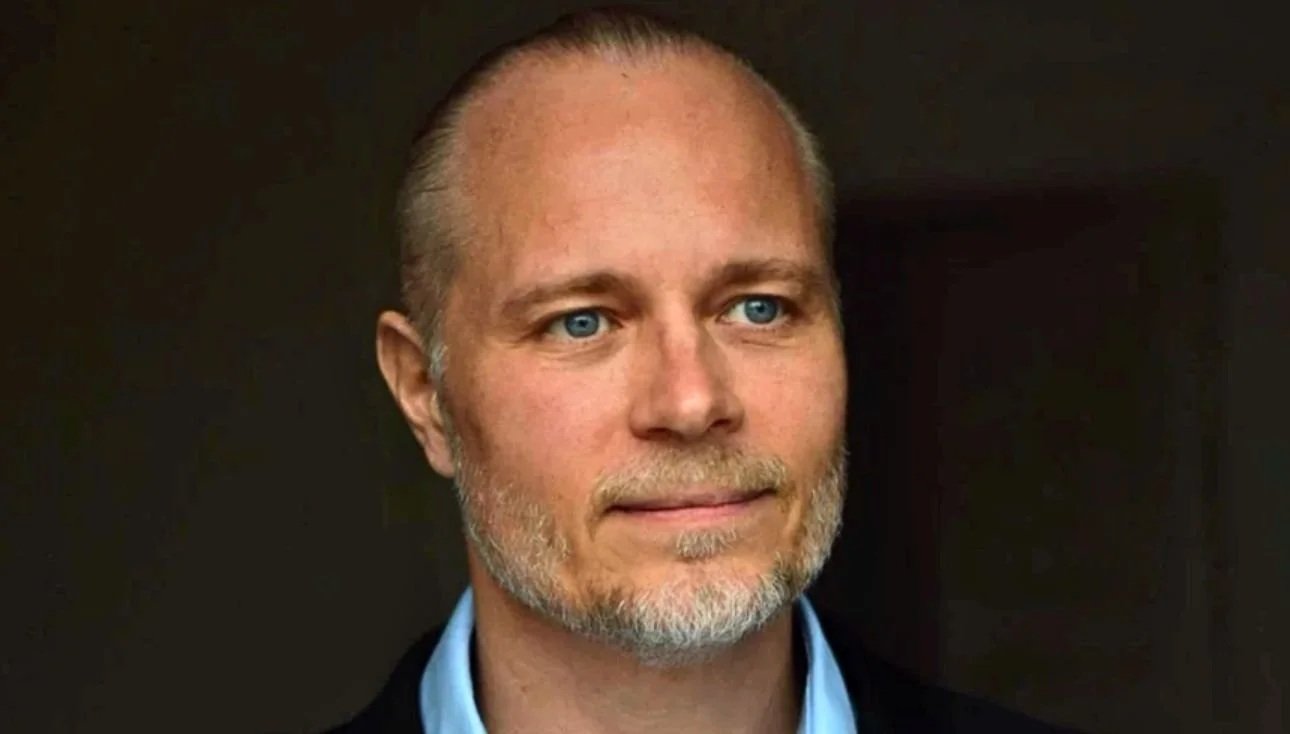
When you have a supportive management, hiring the right people with the right mindset. That is what creates a great company culture where people love to go to work and deliver results, says Mikael Gummesson, the former Head of IT Innovation at H&M Group, who is now an Innovation Management Mentor and part-time CTO for Swedish start-up Ecobloom.
Maintaining an entrepreneurial culture as you scale
“However, successful companies tend to grow and unfortunately for mid-size and larger companies, elements of bureaucracy, politics and protectiveness slowly come crawling in.
“This is when an innovation management setup becomes important, as it helps to keep an entrepreneurial culture and to continually deliver new competitive solutions.
“I had the good fortune to meet with the right people, at the right time. They had been practicing innovation management for a long time and brought a large number of documented practices, tools, and educational materials. These were not only important blocks to build the overall innovation management system, but also to support the delivery of new innovative solutions.”
Innovation success factors
How to ensure successful innovation, is a subject close to Mikael’s heart.
He continues: “With experience gained from working with many organisations over the years, there is one thing that stands out when it comes to success factors – leadership.
“If you want to be successful, it is crucial that your management holds knowledge about innovation e.g. what is, how to measure it, to have an interest in different stages/portfolios, and decision making, to support incubation etc. And that innovation is implemented in a structured way.
Read the full article at R&D Today.